qualitest2016 No Comments

Ultrasonic Testing for Railroad welds

Ultrasonic Testing for Railroad welds

Qualitest Canada provides Ultrasonic Testing for railroad welds including Flash butt welds and  Thermit Welds. Qualitest can send its inspectors with the fully loaded gears to any corners of Canada including Vancouver, Edmonton, Manitoba, Toronto, Hamilton, Mississauga, Sarnia, Calgary, Fort McMurray, Peace River, Cold Lake, Grande Prairie, Conklin, Surrey, Langley, Richmond, Delta, Burnaby, Victoria, Kitimat, Terrace, Fort St. John, Dawson Creek, Kelowna, Kamloops, Red Deer, Regina, Saskatoon, Lloydminster etc..

As Qualitest Canada’s Inspectors are always cautious with complicated design of the railroads, so they use the calibration blocks made from the similar configuration to make sure the work was done correctly. Ideally, our inspectors do practice and calibrate the equipment with the custom made calibration blocks before performing the actual work at the site.

The maintenance team in many railway companies are facing challenges in maximizing the efficiency and life expectancy of their assets but without sacrificing safety and reliability. Therefore accurate inspection of vital components such as railroad welds and just the railway tracks are crucial to ensuring the integrity of the entire railroads.

Our highly skilled and knowledgeable engineers and certified inspectors are using wide range of equipment are capable to solve different NDT problems. We perform the NDE/NDT during new construction of the railroads or in service in accordance with the client’s requirements.

With this advanced on-site reporting there is no more waiting days for a report, decisions based on weld condition can be made in less than a few hours. Qualitest can handle any size of the Ultrasonic Testing project within Canada and beyond.

Contact us admin@qualitests.com today to get a quote.

qualitest2016 No Comments

Ultrasonic Testing for Stainless Steel welds

Ultrasonic Testing for Stainless Steel welds

Qualitest Canada provides Ultrasonic Testing for Stainless Steel welds made on industrial piping and structural weldments. Qualitest Canada has the latest models of UT flaw detectors, Dual longitudinal probes, and stainless steel calibration blocks for Stainless steel welds scanning. Qualitest can send its inspectors with the fully loaded gears to any corners of Canada including Vancouver, Edmonton, Manitoba, Toronto, Hamilton, Mississauga, Sarnia, Calgary, Fort McMurray, Peace River, Cold Lake, Grande Prairie, Conklin, Surrey, Langley, Richmond, Delta, Burnaby, Victoria, Kitimat, Terrace, Fort St. John, Dawson Creek, Kelowna, Kamloops, Red Deer, Regina, Saskatoon, Lloydminster etc..

As Qualitest Canada’s Inspectors are always cautious with coarse grain SS materials, they use refracted Long waves to permit adequate penetration of the sound beam into the weldments. Ideally, our inspectors do practice and calibrate the specific dual longitudinal probes with a welded joint with drilled holes on the similar material. Also they always use the lower frequency probes i.e 1MHZ or 2MHZ.

The maintenance team in many processing facilities in the utility, oil, gas and power generation industries is facing challenges in maximizing the efficiency and life expectancy of their assets but without sacrificing safety and reliability. Therefore accurate inspection of vital components such as piping system, pressure vessels and boilers are crucial to ensuring the integrity of the plant.

Our highly skilled and knowledgeable engineers and certified inspectors are using wide range of equipment are capable to solve different NDT problems. NDE/NDT can be applied for both metallic and non-metallic (e.g. polymers and composites) materials. We perform the NDE/NDT during production, post-production or in service in accordance with the project requirements.

With this advanced on-site reporting there is no more waiting days for a report, decisions based on tube condition can be made in less than an hour. Qualitest can handle any size of the Ultrasonic Testing project within Canada and beyond.

Contact us admin@qualitests.com today to get a quote.

qualitest2016 No Comments

Ultrasonic Flaw Detection Services for Stainless Steel pipes and Plates

Ultrasonic Flaw Detection Services for Stainless Steel pipes and Plates

Qualitest Canada provides Ultrasonic Flaw Detection Services for Stainless Steel pipes and Plates industrial piping and structural weldments. We have latest models of UT flaw detectors, Dual longitudinal probes, and stainless steel calibration blocks for Stainless steel welds scanning. Qualitest can send its inspectors with the fully loaded gears to any corners of Canada including Vancouver, Edmonton, Manitoba, Toronto, Hamilton, Mississauga, Sarnia, Calgary, Fort McMurray, Peace River, Cold Lake, Grande Prairie, Conklin, Surrey, Langley, Richmond, Delta, Burnaby, Victoria, Kitimat, Terrace, Fort St. John, Dawson Creek, Kelowna, Kamloops, Red Deer, Regina, Saskatoon, Lloydminster etc..

As we are always cautious with coarse grain SS materials, our Inspectors use refracted Long waves to permit adequate penetration of the sound beam into the weldments. Ideally, we do practice and calibrate the specific dual longitudinal probes with a welded joint with drilled holes on the similar material. Also we always use the lower frequency probes i.e 1MHZ or 2MHZ.

The maintenance team in many processing facilities in the utility, oil, gas and power generation industries is facing challenges in maximizing the efficiency and life expectancy of their assets but without sacrificing safety and reliability. Therefore accurate inspection of vital components such as piping system, pressure vessels and boilers are crucial to ensuring the integrity of the plant.

Our highly skilled and knowledgeable engineers and certified technicians using wide range of equipment are capable to solve different NDT problems. NDE/NDT can be applied for both metallic and non-metallic (e.g. polymers and composites) materials. We perform the NDE/NDT during production, post-production or in service in accordance with the project requirements.

With this advanced on-site reporting there is no more waiting days for a report, decisions based on tube condition can be made in less than an hour. Qualitest can handle any size of the Ultrasonic Testing project within Canada and beyond.

Contact us admin@qualitests.com today to get a quote.

qualitest2016 No Comments

Eddy current and IRIS inspection services to British Columbia’s industries

Eddy current and IRIS inspection services to British Columbia’s industries

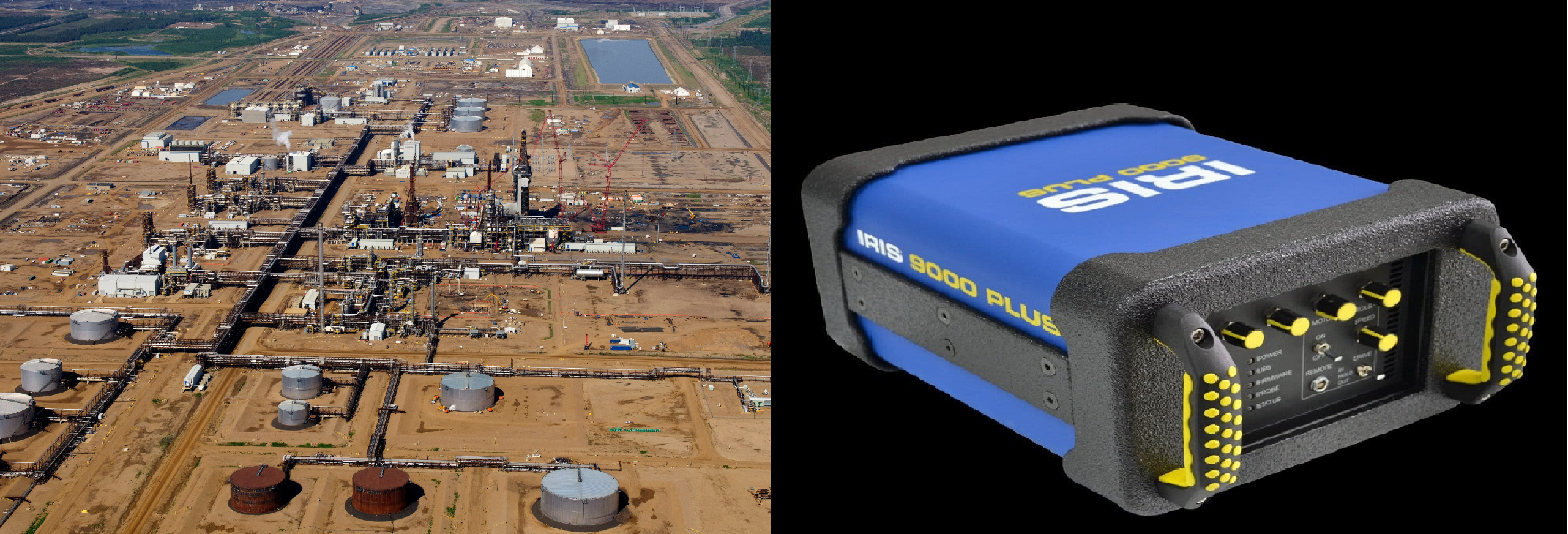
Qualitest Canada provides Eddy current and IRIS (Internal Rotary Inspection System) inspection services to British Columbia’s industries through its highly qualified Inspectors. Qualitest Canada’s Inspectors perform Eddy current and advanced tube inspection with IRIS technology throughout Canada including Toronto, Mississauga, Hamilton, Sarnia, Milton, St. Catharines, Ottawa, Brampton, London, Markham, Vaughan, Kitchener, Windsor, Vancouver, Surrey, Langley, Richmond, Delta, Burnaby, Victoria, Kitimat, Dawson Creek, Kelowna, Kamloops, Edmonton, Calgary, Red Deer, Peace River, Grande Prairie, Fort McMurray, Regina and Saskatoon. Qualitest can send its inspectors with the fully loaded gears to any corners of the world including all kind of onshore and offshore facilities.

Eddy Current Testing

Advanced Eddy Current Testing (ET) is a collection of eddy current testing methods that works with the same principles as basic eddy current testing. Qualitest Canada includes tubing and array surface inspections within this portfolio and our inspectors possess a high level of experience in order to provide an accurate interpretation of the resulting data.

With eddy current testing tubing inspections all kind of bobbin configurations are needed, dependent on the task. For the eddy current testing array inspection, specific channel multiplexing is achieved when groups of coils are excited at timed intervals to eliminate interference from mutual inductance. As allowing those to work together during the scanning means those wider inspection areas will be covered than with conventional eddy current testing probes. Coils are considered multiplexed when the active time interval of one or a combination of coils expires and the active time interval of other coils starts.

Eddy Current Testing at Qualitest Canada offers a range of applications and advantages, including:

  • The complete tube length of pipe can be inspected
  • Several hundred tubes per shift and per eddy current system
  • Detection and separation of inside and outside defects
  • Evaluation of defect depth
  • Defect monitoring capabilities, based on the digital storage of the EC-signals
  • Eddy current array (ECA) testing can be used at all kind of surface configurations

IRIS (Internal Rotary Inspection System)

IRIS (Internal Rotary Inspection System) is an ultrasonic method used for the non-destructive testing of tubes and pipes. The maintenance team in many processing facilities in the utility, oil, gas and power generation industries is facing challenges in maximizing the efficiency and life expectancy of their assets but without sacrificing safety and reliability. Therefore accurate inspection of vital components such as tubes and pipes is crucial to ensuring the integrity of the plant.

IRIS (Internal Rotary Inspection System) technology can detect corrosion, pitting and wall loss and is most commonly used for tube inspection in boilers, heat exchangers, air coolers and feed water heaters. It is particularly versatile as it is suitable for both ferrous and non-ferrous materials, and IRIS can be used on a wide range of tube diameters and wall thicknesses. An IRIS probe is inserted into a tube flooded with water. The probe is fitted with a transducer that generates an ultrasonic pulse along a path parallel to the axis of the tube. A rotating mirror directs the ultrasonic pulse into the tube wall. The mirror is driven by a small turbine that is rotated by the pressure of water pumped into the tube.

The ultrasound pulses are reflected by the inner-diameter (ID) wall and outer-diameter (OD) wall of the tube and the time of flight difference between the two diameters is used to calculate the wall’s thickness. As the IRIS probe is pulled, the spinning motion of the mirror results in a helical scan path ensuring full coverage of the tube.

Benefits of using IRIS include:

  • Suitability for ferrous and non-ferrous pipes and tubes.
  • Detection of corrosion, pitting and thickness loss
  • Accurate wall thickness measurements
  • Sensitivity to both internal and external defects
  • Defect position can be located in relation to tube length
  • 100% coverage of the tubes
  • Results data storage

Flexibility as a back-up to remote field, magnetic flux leakage and eddy current inspections.  Our NDT inspectors have years of experience using IRIS and they can provide you with an accurate assessment of the condition of your assets and Total Quality Assurance.

With this advanced on-site reporting there is no more waiting days for a report, decisions based on tube condition can be made in less than an hour. Qualitest can handle any size of the tube inspection project within Canada and internationally.

Contact us admin@qualitests.com today to get a quote.

qualitest2016 No Comments

Eddy current and IRIS inspection services to Ontario’s industries

Eddy current and IRIS inspection services to Ontario’s industries

Qualitest Canada provides Eddy current and IRIS (Internal Rotary Inspection System) inspection services to Ontario’s industries through its highly qualified Inspectors. Qualitest Canada’s Inspectors perform Eddy current and advanced tube inspection with IRIS technology throughout Canada including Toronto, Mississauga, Hamilton, Sarnia, Milton, St. Catharines, Ottawa, Brampton, London, Markham, Vaughan, Kitchener, Windsor, Vancouver, Surrey, Langley, Richmond, Delta, Burnaby, Victoria, Kitimat, Dawson Creek, Kelowna, Kamloops, Edmonton, Calgary, Red Deer, Peace River, Grande Prairie, Fort McMurray, Regina and Saskatoon. Qualitest can send its inspectors with the fully loaded gears to any corners of the world including all kind of onshore and offshore facilities.

Eddy Current Testing

Advanced Eddy Current Testing (ET) is a collection of eddy current testing methods that works with the same principles as basic eddy current testing. Qualitest Canada includes tubing and array surface inspections within this portfolio and our inspectors possess a high level of experience in order to provide an accurate interpretation of the resulting data.

With eddy current testing tubing inspections all kind of bobbin configurations are needed, dependent on the task. For the eddy current testing array inspection, specific channel multiplexing is achieved when groups of coils are excited at timed intervals to eliminate interference from mutual inductance. As allowing those to work together during the scanning means those wider inspection areas will be covered than with conventional eddy current testing probes. Coils are considered multiplexed when the active time interval of one or a combination of coils expires and the active time interval of other coils starts.

Eddy Current Testing at Qualitest Canada offers a range of applications and advantages, including:

  • The complete tube length of pipe can be inspected
  • Several hundred tubes per shift and per eddy current system
  • Detection and separation of inside and outside defects
  • Evaluation of defect depth
  • Defect monitoring capabilities, based on the digital storage of the EC-signals
  • Eddy current array (ECA) testing can be used at all kind of surface configurations

IRIS (Internal Rotary Inspection System)

IRIS (Internal Rotary Inspection System) is an ultrasonic method used for the non-destructive testing of tubes and pipes. The maintenance team in many processing facilities in the utility, oil, gas and power generation industries is facing challenges in maximizing the efficiency and life expectancy of their assets but without sacrificing safety and reliability. Therefore accurate inspection of vital components such as tubes and pipes is crucial to ensuring the integrity of the plant.

IRIS (Internal Rotary Inspection System) technology can detect corrosion, pitting and wall loss and is most commonly used for tube inspection in boilers, heat exchangers, air coolers and feed water heaters. It is particularly versatile as it is suitable for both ferrous and non-ferrous materials, and IRIS can be used on a wide range of tube diameters and wall thicknesses. An IRIS probe is inserted into a tube flooded with water. The probe is fitted with a transducer that generates an ultrasonic pulse along a path parallel to the axis of the tube. A rotating mirror directs the ultrasonic pulse into the tube wall. The mirror is driven by a small turbine that is rotated by the pressure of water pumped into the tube.

The ultrasound pulses are reflected by the inner-diameter (ID) wall and outer-diameter (OD) wall of the tube and the time of flight difference between the two diameters is used to calculate the wall’s thickness. As the IRIS probe is pulled, the spinning motion of the mirror results in a helical scan path ensuring full coverage of the tube.

Benefits of using IRIS include:

  • Suitability for ferrous and non-ferrous pipes and tubes.
  • Detection of corrosion, pitting and thickness loss
  • Accurate wall thickness measurements
  • Sensitivity to both internal and external defects
  • Defect position can be located in relation to tube length
  • 100% coverage of the tubes
  • Results data storage

Flexibility as a back-up to remote field, magnetic flux leakage and eddy current inspections.  Our NDT inspectors have years of experience using IRIS and they can provide you with an accurate assessment of the condition of your assets and Total Quality Assurance.

With this advanced on-site reporting there is no more waiting days for a report, decisions based on tube condition can be made in less than an hour. Qualitest can handle any size of the tube inspection project within Canada and internationally.

Contact us admin@qualitests.com today to get a quote.

qualitest2016 No Comments

Eddy current and IRIS inspection services to Alberta’s industries

Eddy current and IRIS inspection services to Alberta’s industries

Qualitest Canada provides Eddy current and IRIS (Internal Rotary Inspection System) inspection services to Alberta’s industries through its highly qualified Inspectors. Qualitest Canada’s Inspectors perform Eddy current and advanced tube inspection with IRIS technology throughout Canada including Toronto, Mississauga, Hamilton, Sarnia, Milton, St. Catharines, Ottawa, Brampton, London, Markham, Vaughan, Kitchener, Windsor, Vancouver, Surrey, Langley, Richmond, Delta, Burnaby, Victoria, Kitimat, Dawson Creek, Kelowna, Kamloops, Edmonton, Calgary, Red Deer, Peace River, Grande Prairie, Fort McMurray, Regina and Saskatoon. Qualitest can send its inspectors with the fully loaded gears to any corners of the world including all kind of onshore and offshore facilities.

Eddy Current Testing

Advanced Eddy Current Testing (ET) is a collection of eddy current testing methods that works with the same principles as basic eddy current testing. Qualitest Canada includes tubing and array surface inspections within this portfolio and our inspectors possess a high level of experience in order to provide an accurate interpretation of the resulting data.

With eddy current testing tubing inspections all kind of bobbin configurations are needed, dependent on the task. For the eddy current testing array inspection, specific channel multiplexing is achieved when groups of coils are excited at timed intervals to eliminate interference from mutual inductance. As allowing those to work together during the scanning means those wider inspection areas will be covered than with conventional eddy current testing probes. Coils are considered multiplexed when the active time interval of one or a combination of coils expires and the active time interval of other coils starts.

Eddy Current Testing at Qualitest Canada offers a range of applications and advantages, including:

  • The complete tube length of pipe can be inspected
  • Several hundred tubes per shift and per eddy current system
  • Detection and separation of inside and outside defects
  • Evaluation of defect depth
  • Defect monitoring capabilities, based on the digital storage of the EC-signals
  • Eddy current array (ECA) testing can be used at all kind of surface configurations

IRIS (Internal Rotary Inspection System)

IRIS (Internal Rotary Inspection System) is an ultrasonic method used for the non-destructive testing of tubes and pipes. The maintenance team in many processing facilities in the utility, oil, gas and power generation industries is facing challenges in maximizing the efficiency and life expectancy of their assets but without sacrificing safety and reliability. Therefore accurate inspection of vital components such as tubes and pipes is crucial to ensuring the integrity of the plant.

IRIS (Internal Rotary Inspection System) technology can detect corrosion, pitting and wall loss and is most commonly used for tube inspection in boilers, heat exchangers, air coolers and feed water heaters. It is particularly versatile as it is suitable for both ferrous and non-ferrous materials, and IRIS can be used on a wide range of tube diameters and wall thicknesses. An IRIS probe is inserted into a tube flooded with water. The probe is fitted with a transducer that generates an ultrasonic pulse along a path parallel to the axis of the tube. A rotating mirror directs the ultrasonic pulse into the tube wall. The mirror is driven by a small turbine that is rotated by the pressure of water pumped into the tube.

The ultrasound pulses are reflected by the inner-diameter (ID) wall and outer-diameter (OD) wall of the tube and the time of flight difference between the two diameters is used to calculate the wall’s thickness. As the IRIS probe is pulled, the spinning motion of the mirror results in a helical scan path ensuring full coverage of the tube.

Benefits of using IRIS include:

  • Suitability for ferrous and non-ferrous pipes and tubes.
  • Detection of corrosion, pitting and thickness loss
  • Accurate wall thickness measurements
  • Sensitivity to both internal and external defects
  • Defect position can be located in relation to tube length
  • 100% coverage of the tubes
  • Results data storage

Flexibility as a back-up to remote field, magnetic flux leakage and eddy current inspections.  Our NDT inspectors have years of experience using IRIS and they can provide you with an accurate assessment of the condition of your assets and Total Quality Assurance.

With this advanced on-site reporting there is no more waiting days for a report, decisions based on tube condition can be made in less than an hour. Qualitest can handle any size of the tube inspection project within Canada and internationally.

Contact us admin@qualitests.com today to get a quote.

qualitest2016 No Comments

Eddy current and IRIS inspection services for offshore facilities

Eddy current and IRIS inspection services for offshore facilities

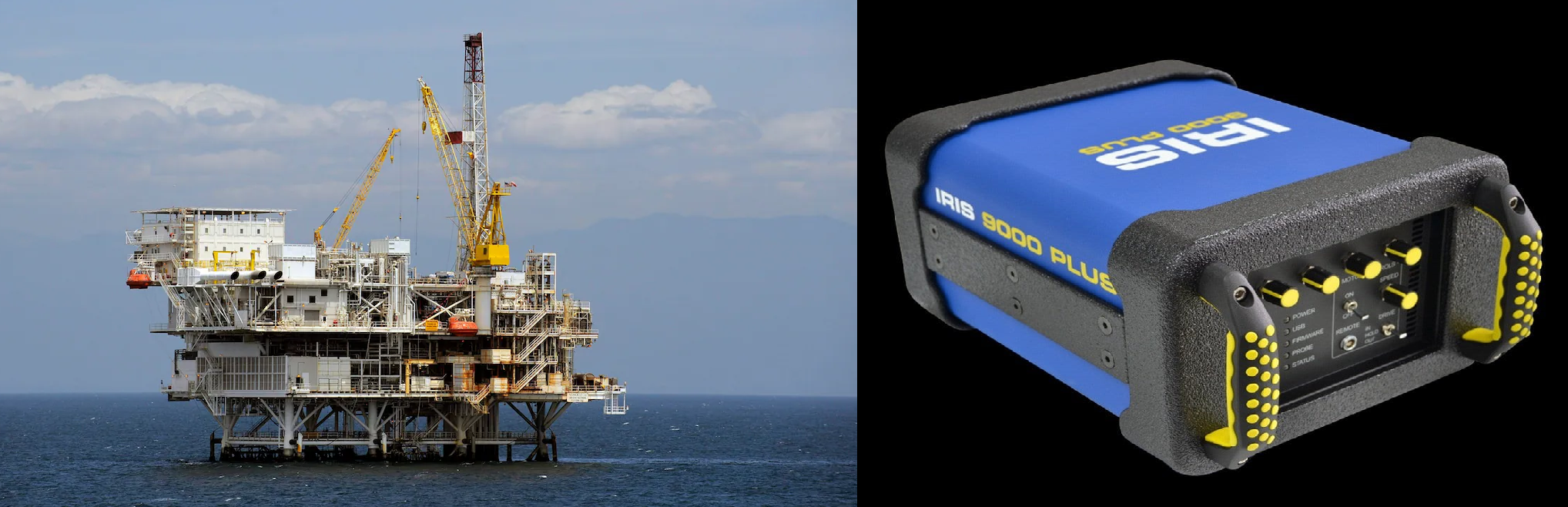
Qualitest Canada provides Eddy current and IRIS (Internal Rotary Inspection System) inspection services for offshore facilities around the world through its highly qualified Inspectors. Qualitest Canada’s Inspectors perform advanced tube inspection with IRIS technology with the latest software available in the market. Qualitest can send its inspectors with the fully loaded gears to any corners of the world including all kind of offshore facilities i.e offshore oil & gas platforms, Topsides, FPSO’s, etc.

Eddy Current Testing

Advanced Eddy Current Testing (ET) is a collection of eddy current testing methods that works with the same principles as basic eddy current testing. Qualitest Canada includes tubing and array surface inspections within this portfolio and our inspectors possess a high level of experience in order to provide an accurate interpretation of the resulting data.

With eddy current testing tubing inspections all kind of bobbin configurations are needed, dependent on the task. For the eddy current testing array inspection, specific channel multiplexing is achieved when groups of coils are excited at timed intervals to eliminate interference from mutual inductance. As allowing those to work together during the scanning means those wider inspection areas will be covered than with conventional eddy current testing probes. Coils are considered multiplexed when the active time interval of one or a combination of coils expires and the active time interval of other coils starts.

Eddy Current Testing at Qualitest Canada offers a range of applications and advantages, including:

  • The complete tube length of pipe can be inspected
  • Several hundred tubes per shift and per eddy current system
  • Detection and separation of inside and outside defects
  • Evaluation of defect depth
  • Defect monitoring capabilities, based on the digital storage of the EC-signals
  • Eddy current array (ECA) testing can be used at all kind of surface configurations

IRIS (Internal Rotary Inspection System)

IRIS (Internal Rotary Inspection System) is an ultrasonic method used for the non-destructive testing of tubes and pipes. The maintenance team in many processing facilities in the utility, oil, gas and power generation industries is facing challenges in maximizing the efficiency and life expectancy of their assets but without sacrificing safety and reliability. Therefore accurate inspection of vital components such as tubes and pipes is crucial to ensuring the integrity of the plant.

IRIS (Internal Rotary Inspection System) technology can detect corrosion, pitting and wall loss and is most commonly used for tube inspection in boilers, heat exchangers, air coolers and feed water heaters. It is particularly versatile as it is suitable for both ferrous and non-ferrous materials, and IRIS can be used on a wide range of tube diameters and wall thicknesses. An IRIS probe is inserted into a tube flooded with water. The probe is fitted with a transducer that generates an ultrasonic pulse along a path parallel to the axis of the tube. A rotating mirror directs the ultrasonic pulse into the tube wall. The mirror is driven by a small turbine that is rotated by the pressure of water pumped into the tube.

The ultrasound pulses are reflected by the inner-diameter (ID) wall and outer-diameter (OD) wall of the tube and the time of flight difference between the two diameters is used to calculate the wall’s thickness. As the IRIS probe is pulled, the spinning motion of the mirror results in a helical scan path ensuring full coverage of the tube.

Benefits of using IRIS include:

  • Suitability for ferrous and non-ferrous pipes and tubes.
  • Detection of corrosion, pitting and thickness loss
  • Accurate wall thickness measurements
  • Sensitivity to both internal and external defects
  • Defect position can be located in relation to tube length
  • 100% coverage of the tubes
  • Results data storage

Flexibility as a back-up to remote field, magnetic flux leakage and eddy current inspections.  Our NDT inspectors have years of experience using IRIS and they can provide you with an accurate assessment of the condition of your assets and Total Quality Assurance.

With this advanced on-site reporting there is no more waiting days for a report, decisions based on tube condition can be made in less than an hour. Qualitest can handle any size of the tube inspection project within Canada and internationally.

Contact us admin@qualitests.com today to get a quote.

qualitest2016 No Comments

Cable Tension Measurement for bridges and buildings

Cable Tension Measurement for bridges and buildings

Qualitest Canada provides Cable Tension Measurement for bridges and buildings to Canadian industries where wire ropes and cables are under tension. We use the German made “Cable / Wire Tension Sensor CableBull” for measuring the tension on cables and wires. Our Structural Engineers have much experience in different types of projects where cables and wires tension was a major issue. Qualitest Inspectors and Engineers perform this Cable Tension Measurement services throughout Canada including Toronto, Mississauga, Hamilton, Sarnia, Milton, St. Catharines, Ottawa, Brampton, London, Markham, Vaughan, Kitchener, Windsor, Vancouver, Surrey, Langley, Richmond, Delta, Burnaby, Victoria, Kitimat, Dawson Creek, Kelowna, Kamloops, Edmonton, Calgary, Red Deer, Peace River, Grande Prairie, Fort McMurray, Regina and Saskatoon.

We can measure the tension on the cables and wires on the following applications 

  • aerial mast stays
  • aircraft support cables
  • catenary ropes for railways and trams
  • guy-wires for antennas and masts
  • guy-wires for chimneys
  • moving ropes
  • overhead cables / open wires
  • pre-loaded wire ropes
  • ropes for shipping
  • ropes for fishing
  • small tapes and belts
  • suspension and transmission lines
  • stay ropes and cables, static wires
  • steel wire ropes, braided tension wires
  • towing ropes and belts
  • solid rods

Range of application: •  cranes and hoists •  crown bracing on trees •  equalise loadings on multi-cable assemblies •  earthquake-proof construction •  event rope technology •  guying on buildings •  climbing frames •  industry applications •  lifts and elevators •  spreader at container crane •  load spreading of multiple ropes •  manufacturing of pre-stressed concrete PC •  ship rigging / rig •  silo rigging •  ski sites •  hail protection systems •  stage and set building / rigging •  street lighting, christmas illumination •  telescope and extension mast •  staging / scaffolding anchor •  flare stacks / gas flares •  towing of loads •  transportation lock •  vehicle pull and logging •  water ski sites •  cable railing •  steep slope logging •  zip lines •  lifelines

Qualitest provides Cable and Wire Tension Measurement Services for various industries throughout Canada including Toronto, Vancouver, Edmonton, Calgary, Mississauga, Hamilton, New Westminster, White Rock, Chilliwack, Port Moody, Abbotsford, Langley, Delta, Surrey, Vancouver, Richmond, Burnaby, Victoria, Coquitlam, Burnaby, Port Coquitlam, Pitt Meadows, Maple Ridge, Kitimat, Terrace, Dawson Creek, Kelowna, Kamloops etc

Contact us admin@qualitests.com today to get a quote.

qualitest2016 No Comments

Tube inspection with IRIS (Internal Rotary Inspection System) Technology

Tube inspection with IRIS (Internal Rotary Inspection System) Technology

Qualitest Canada performs Tube inspection with IRIS (Internal Rotary Inspection System) Technology through its highly qualified Inspectors. Qualitest Canada’s Inspectors perform advanced tube inspection with IRIS technology throughout Canada including Toronto, Mississauga, Hamilton, Sarnia, Milton, St. Catharines, Ottawa, Brampton, London, Markham, Vaughan, Kitchener, Windsor, Vancouver, Surrey, Langley, Richmond, Delta, Burnaby, Victoria, Kitimat, Dawson Creek, Kelowna, Kamloops, Edmonton, Calgary, Red Deer, Peace River, Grande Prairie, Fort McMurray, Regina and Saskatoon.

IRIS (Internal Rotary Inspection System)

IRIS (Internal Rotary Inspection System) is an ultrasonic method used for the non-destructive testing of tubes and pipes. The maintenance team in many processing facilities in the utility, oil, gas and power generation industries is facing challenges in maximizing the efficiency and life expectancy of their assets but without sacrificing safety and reliability. Therefore accurate inspection of vital components such as tubes and pipes is crucial to ensuring the integrity of the plant.

IRIS (Internal Rotary Inspection System) technology can detect corrosion, pitting and wall loss and is most commonly used for tube inspection in boilers, heat exchangers, air coolers and feed water heaters. It is particularly versatile as it is suitable for both ferrous and non-ferrous materials, and IRIS can be used on a wide range of tube diameters and wall thicknesses. An IRIS probe is inserted into a tube flooded with water. The probe is fitted with a transducer that generates an ultrasonic pulse along a path parallel to the axis of the tube. A rotating mirror directs the ultrasonic pulse into the tube wall. The mirror is driven by a small turbine that is rotated by the pressure of water pumped into the tube.

The ultrasound pulses are reflected by the inner-diameter (ID) wall and outer-diameter (OD) wall of the tube and the time of flight difference between the two diameters is used to calculate the wall’s thickness. As the IRIS probe is pulled, the spinning motion of the mirror results in a helical scan path ensuring full coverage of the tube.

Benefits of using IRIS include:

  • Suitability for ferrous and non-ferrous pipes and tubes.
  • Detection of corrosion, pitting and thickness loss
  • Accurate wall thickness measurements
  • Sensitivity to both internal and external defects
  • Defect position can be located in relation to tube length
  • 100% coverage of the tubes
  • Results data storage

Flexibility as a back-up to remote field, magnetic flux leakage and eddy current inspections.  Our NDT inspectors have years of experience using IRIS and they can provide you with an accurate assessment of the condition of your assets and Total Quality Assurance.

Once the field inspection is complete, an on-site final report is immediately generated. This report consists of a detailed description of the inspection findings, a summary of the test results, tube sheet maps; colour coded by percentage loss/remaining and damage type, side views of the exchanger indicating percentage loss/remaining, detailed information on each tube inspected, along with screen captures of the typical indications found. In addition, supplemental tube sheet maps can be generated for tube plugging or selective re-tubing. 

With this advanced on-site reporting there is no more waiting days for a report, decisions based on tube condition can be made in less than an hour. Qualitest can handle any size of the tube inspection project within Canada and internationally.

Contact us admin@qualitests.com today to get a quote.

qualitest2016 No Comments

Concrete Honeycomb scanning with Ultrasonic Pulse Echo

Concrete Honeycomb scanning with Ultrasonic Pulse Echo

Qualitest Canada provides Concrete Honeycomb scanning with Ultrasonic Pulse Echo technology throughout Canada through its highly qualified Engineers and Inspectors. Qualitest Inspectors perform this Ultrasonic Pulse Echo Scanning services throughout Canada including Toronto, Mississauga, Hamilton, Sarnia, Milton, St. Catharines, Ottawa, Brampton, London, Markham, Vaughan, Kitchener, Windsor, Vancouver, Surrey, Langley, Richmond, Delta, Burnaby, Victoria, Kitimat, Dawson Creek, Kelowna, Kamloops, Edmonton, Calgary, Red Deer, Peace River, Grande Prairie, Fort McMurray, Regina and Saskatoon.

Qualitest Canada provides world-class engineering services in Canada in Welding Engineering, Geotechnical Investigation, Environmental Site Assessment (ESA Phase I, II and III), Construction Materials Testing Services, and Non-destructive Testing for Steel and Concrete and Ultrasonic Pulse-Echo (UPE).

Structural flaws cause severe damage and collapse. Ultrasonic Pulse Echo (UPE) is an advanced imaging technique used to detect defects in concrete structures. Ultrasonic testing provides information on the strength and quality of concrete, and it can be used to determine voids, honeycombs, delaminations, pipes, cracks, and defects. The ultrasonic pulse-echo (UPE) technology extends ultrasonic pulse velocity (UPV) applications to objects where access is limited to a single side. Qualitest uses the PD8050 for UPE testing, the World’s Lightest Wireless Ultrasonic Imaging System with Augmented Reality and Artificial Intelligence Capabilities.

Qualitest provides ultrasonic pulse-echo (UPE) testing services for various projects. Our clients include federal and provincial government, contractors, developers, consultants, and owners.

Ultrasonic Pulse Echo can be used to:

  • Location of subsurface defects of concrete such as flaws, cracks, honeycombing, and poor patches.
  • Measurement of thickness of concrete elements
  • Determination of concrete pulse velocity for homogeneity and strength estimation

Contact us admin@qualitests.com today to get a quote.